Set up the x402 payment layer
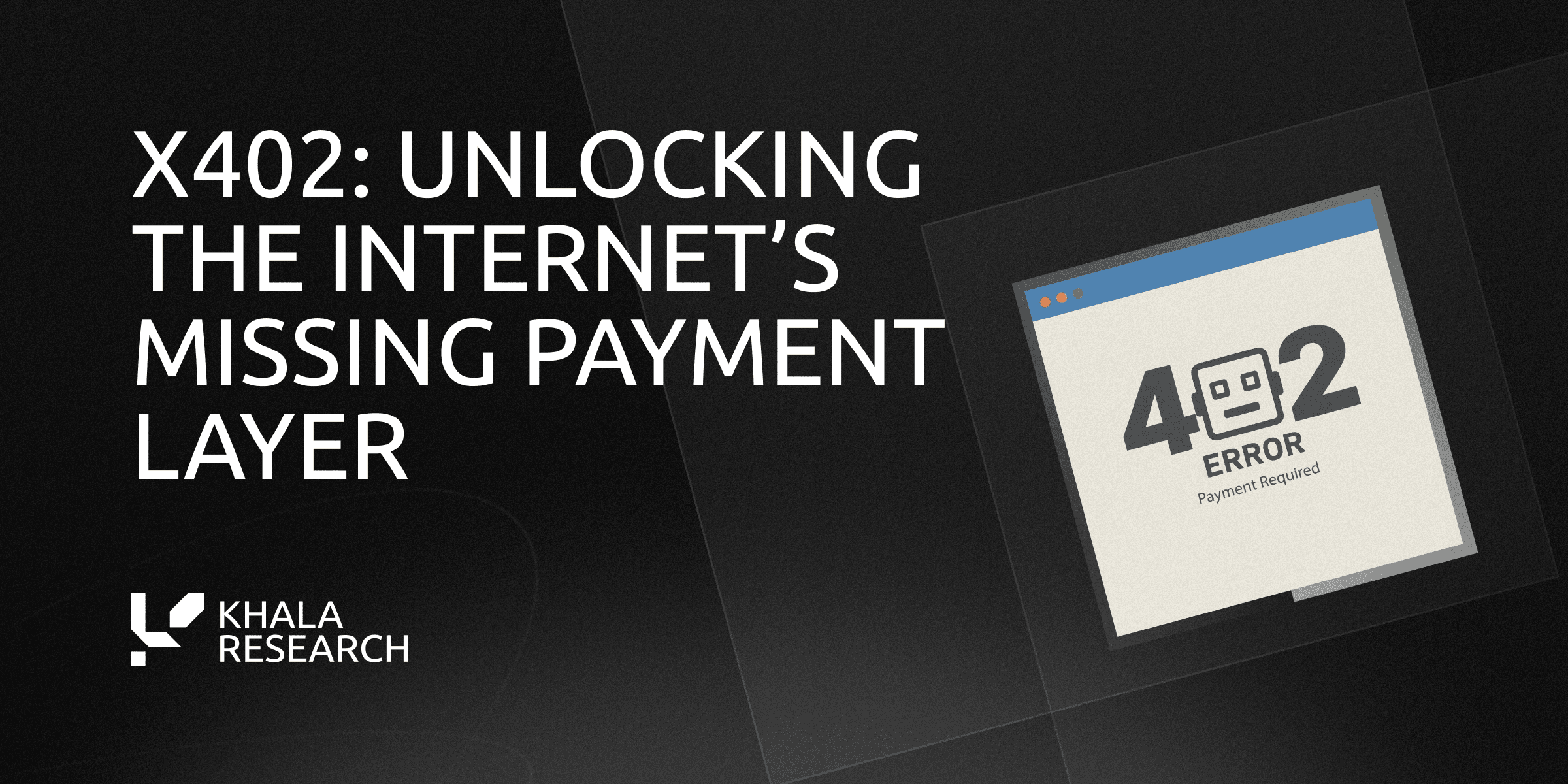
The x402 protocol transforms standard HTTP endpoints into payment-gated services. Instead of relying on third-party payment processors or manual invoice reconciliation, x402 embeds payment logic directly into the request-response cycle. When a client (or AI agent) calls your API, the server checks for a valid payment payload before returning the KYC/AML data. This creates a trustless, on-chain commerce layer where payment and service delivery happen simultaneously.
To integrate this into your KYC/AML workflow, you need to configure your API to accept and validate these specific payment headers. The following steps walk through the setup using official Coinbase Developer documentation, which provides the most reliable implementation path for sellers.
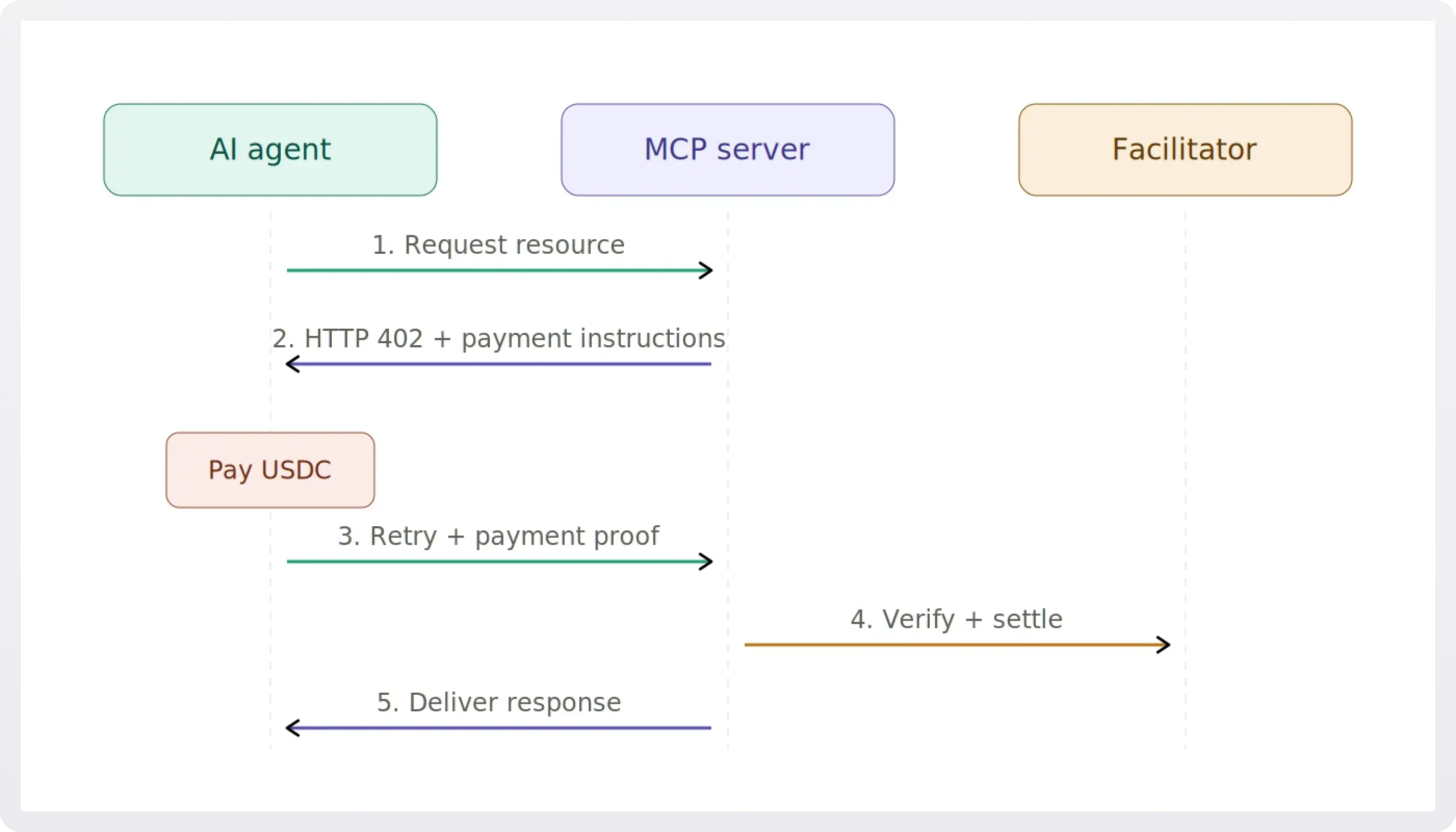
Begin by adding the official x402 client library to your project. This SDK handles the cryptographic signing of payment payloads and the parsing of on-chain settlement receipts. Most modern frameworks have a dedicated package that abstracts the complex EVM interactions, allowing you to focus on your API logic rather than blockchain mechanics.
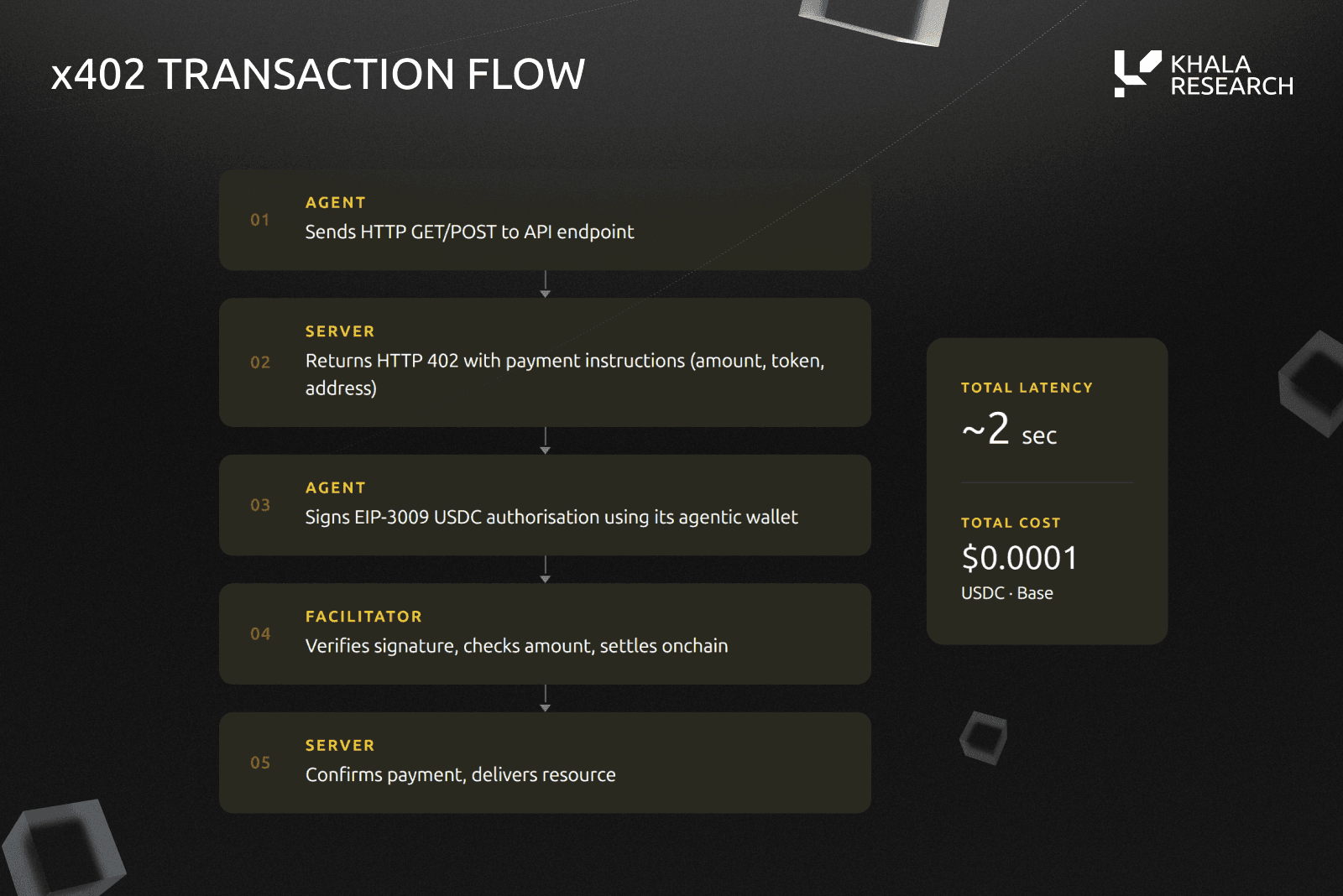
Update your KYC/AML check endpoints to require the x-payments header. This header contains the signed payment payload from the buyer. Your server should reject any request missing this header with a 402 Payment Required status code, signaling to the client that payment is needed before the sensitive identity data is released.

Before returning KYC results, your server must verify the payment payload. Use the SDK to check that the signature is valid, the amount matches your pricing, and the transaction has been settled on-chain. This step ensures that the funds have actually moved to your wallet, preventing fraud from unsigned or expired payloads.
Once the payment is verified, proceed with the standard KYC/AML check. Return the identity verification results or risk score in the response body. Because the payment is handled off-band via on-chain settlement, your API response remains clean and focused on the data the client requested, without mixing payment confirmation logic with business logic.
By following this sequence, you establish a robust payment layer that supports agent-to-agent commerce. The x402 standard ensures that every payment is signed by the buyer and settled directly on-chain, removing the risk of a malicious facilitator stealing funds or lying about settlement. This infrastructure is essential for scaling KYC/AML services in an agentic economy.
Integrate KYC/AML verification endpoints
Embedding identity verification and transaction monitoring into your API workflow ensures compliance before payment release. With x402 handling the payment layer, you can structure your integration to verify users and assess risk in real-time. This approach aligns with standard KYC/AML compliance requirements, which involve verifying customer identities and monitoring transactions for suspicious activity [src-serp-4].
The following steps outline how to sequence these checks within your x402 endpoint logic.
Before processing any x402 payment, define the identity criteria your endpoint requires. This includes specifying which data points (e.g., government ID, biometric data) are mandatory for your jurisdiction. Ensure your API schema accepts these fields and validates their format before initiating the verification workflow. This step establishes the baseline for your KYC/AML checks.
Integrate a risk scoring mechanism that evaluates the user's profile against known threat databases. This should happen concurrently with identity verification. If the risk score exceeds your predefined threshold, the endpoint should flag the transaction for manual review or reject it outright. This prevents high-risk entities from accessing your payment services.
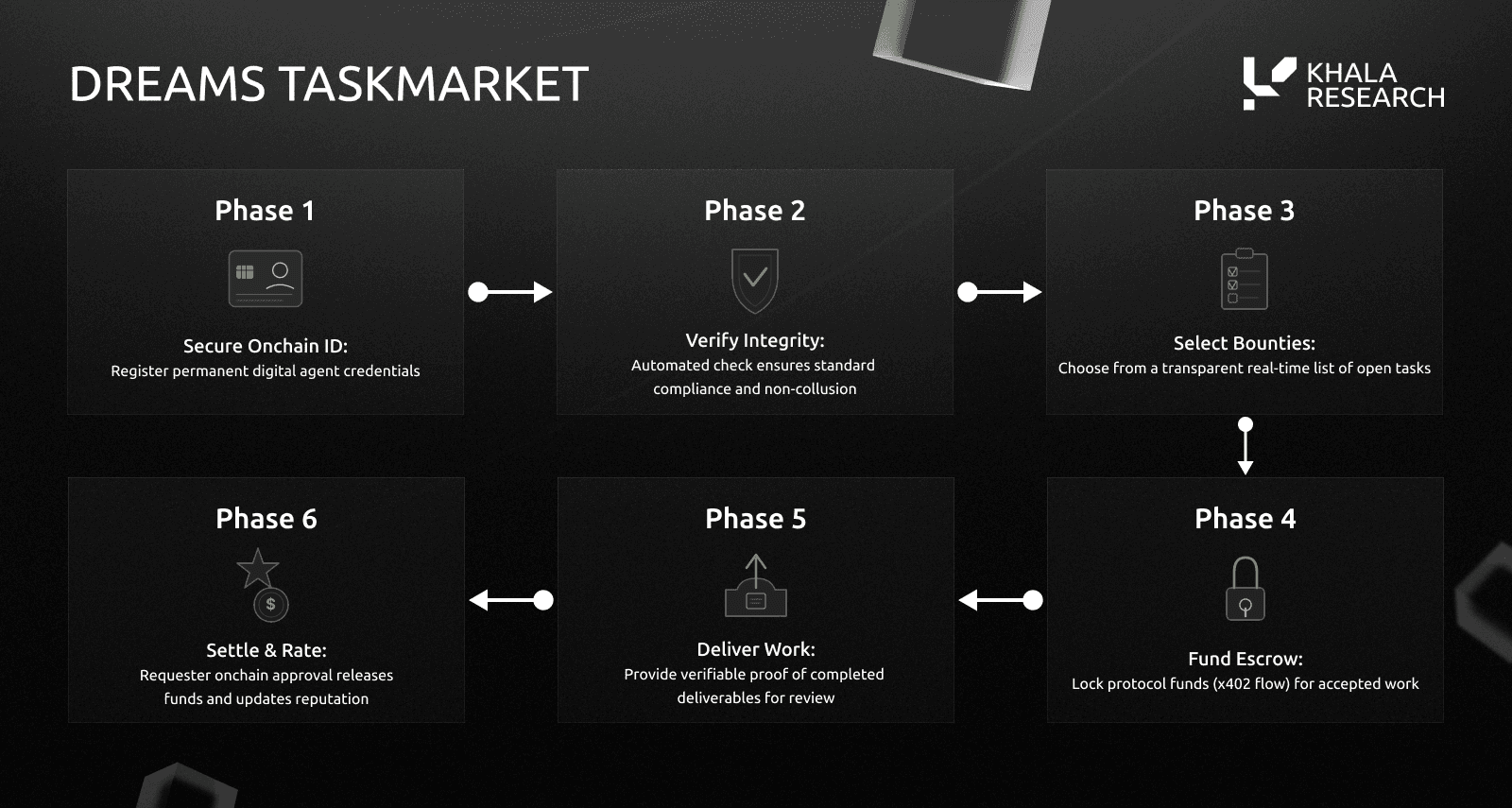
Configure your x402 endpoint to check the verification status before authorizing any fund transfer. The payment should only be released if the KYC/AML check returns a "verified" status. This ensures that compliance is a prerequisite for financial activity, not an afterthought. You can use webhooks to notify your system when verification is complete.
Maintain detailed logs of all verification attempts and transaction outcomes. If a transaction is flagged or rejected, record the reason and any associated risk indicators. This data is crucial for regulatory reporting and audits. Ensure your logging mechanism is secure and compliant with data protection regulations.
Before deploying these endpoints, run through this compliance checklist to ensure your integration is robust.


As an Amazon Associate, we may earn from qualifying purchases.
Design the agent commerce strategy
The x402 protocol transforms how automated services transact by embedding payment verification directly into the HTTP layer. For KYC/AML agents, this means the business logic shifts from manual gateway integrations to atomic, agent-to-agent exchanges. When an AI agent needs to verify a user’s identity or check a transaction against a sanctions list, it doesn’t need a separate billing step. The payment happens as part of the request lifecycle, ensuring that service providers are compensated instantly and securely.
To build a robust commerce strategy, you must define the sequence of these automated interactions. Start by mapping the trigger points where an agent requires a compliance check. Next, establish the payment terms—whether per-query or subscription-based—within the agent’s code. Finally, configure the x402 endpoint to validate the payment token before processing sensitive data. This sequence ensures that no unverified requests consume resources, reducing fraud and operational overhead.
Consider the flow as a handshake: the client agent offers payment, the server agent verifies it, and the service is delivered. This model aligns with the x402 vision of making payments native to the internet, allowing agentic economies to scale without friction. By treating payments as a first-class citizen in your API design, you create a self-sustaining ecosystem where compliance checks are both secure and economically viable.
Verify security and compliance standards
Before routing KYC or AML data through an x402 endpoint, you must confirm the protocol meets your organization's risk thresholds. Because these endpoints handle sensitive financial and identity information, the security model must be transparent and auditable.
1. Validate on-chain settlement logic
The primary security advantage of x402 is that it removes the need for a trusted third-party payment processor. According to the official x402 documentation, every PaymentPayload is signed by the buyer and settled directly on-chain. This means a malicious facilitator cannot intercept or steal funds during the transaction flow.
For KYC/AML workflows, this reduces fraud risk significantly. You are not relying on a centralized entity to hold escrow or guarantee settlement; the blockchain acts as the immutable ledger. This aligns with the core definition of x402 as an open, neutral standard for internet-native payments that empowers agentic commerce.
2. Confirm regulatory alignment
While x402 handles the payment rail, your endpoint must still comply with financial regulations. AML (Anti-Money Laundering) and KYC (Know Your Customer) requirements are mandates for fund operations and high-stakes transactions. The protocol itself is neutral, but the data passing through it must be processed in accordance with local laws.
Ensure your implementation includes:
- Data Minimization: Only request the KYC fields necessary for the specific transaction tier.
- Encryption: Encrypt PII (Personally Identifiable Information) in transit and at rest.
- Audit Trails: Log all consent and verification steps for regulatory review.
By combining x402's secure, on-chain settlement with robust data handling practices, you create a compliance-ready endpoint that protects both your business and your users.
No comments yet. Be the first to share your thoughts!