The x402 payment standard explained
x402 is an open, internet-native payment protocol built on top of the HTTP 402 status code. Developed by the Coinbase Developer Platform team, it enables any API or web service to require payment before serving content. This standard absolves the internet's original sin by making payments possible directly between clients and servers, creating a foundation for agentic commerce.
Unlike traditional web payments that rely on heavy third-party processors or subscription gateways, x402 integrates payment logic into the protocol itself. This distinction is critical for autonomous AI agents. The x402-secure variant is specifically designed for transactions involving these agents, transparently integrating pre-payment risk checks to ensure secure, automated interactions.
By embedding payment requirements into the HTTP response cycle, x402 allows for granular, pay-per-use models. This shift moves the web away from static, one-time transactions toward a dynamic economy where services are consumed and paid for in real-time, directly within the request-response loop.
Why KYC/AML matters for autonomous agents
Autonomous agents operate at a speed and scale that human operators simply cannot match. When an AI agent initiates thousands of micro-transactions per hour to negotiate, purchase, or verify data, the traditional friction of identity verification becomes a bottleneck. However, removing that friction entirely introduces a dangerous blind spot. Without the ability to verify who—or what—is on the other side of a transaction, the internet becomes a high-speed highway for money laundering and fraud.
The core issue is that autonomous agents are not just faster; they are ephemeral. An agent can generate a new digital identity, execute a payment, and dissolve its footprint before a human compliance officer could even open a file. This is why standard AML protocols, which rely on periodic reviews and static account profiles, struggle to keep up. As noted by Fenergo, building automated compliance frameworks is no longer optional for payment processors; it is a structural necessity to handle the velocity of modern digital commerce.
This is where the x402 protocol’s design philosophy becomes critical. The x402-secure implementation specifically addresses this gap by integrating pre-payment AI agent risk checks directly into the transaction flow. Instead of treating compliance as a post-hoc audit, x402 embeds identity and risk verification as a prerequisite for the HTTP 402 payment response. This ensures that before an agent spends its allocated budget, the counterparty has already cleared the necessary KYC/AML thresholds.
For developers building agentic economies, this shift changes the entire risk model. You are no longer just securing a server; you are securing the financial integrity of the agent’s actions. By leveraging x402 endpoints for these checks, you create a secure, transparent layer that satisfies regulatory mandates without sacrificing the automation benefits that make AI agents valuable in the first place. The goal is not to slow down the agent, but to ensure that every dollar it spends is traceable, legitimate, and compliant.
Integrating x402 endpoints for KYC/AML checks
Embedding KYC/AML verification into your x402 payment flow changes the protocol from a simple tollbooth into a compliant service layer. Instead of letting agents pay blindly, you gate the response on identity proof. This strategy ensures that only verified users or vetted institutional agents can unlock high-value API endpoints.
The implementation relies on the 402 Payment Required status code to pause the transaction. When an unverified request hits your endpoint, the server rejects it with a challenge payload. This payload contains the terms of service and the specific compliance data required to proceed. The client—whether a human user or an autonomous agent—must satisfy these terms before the payment is routed.
1. Define the compliance challenge payload
Your API must be prepared to return a structured challenge when identity is missing. This payload should explicitly list the required KYC/AML checks, such as email verification, government ID upload, or transaction monitoring flags. By making these requirements part of the protocol response, you ensure that agents can parse and fulfill them programmatically without manual intervention.
2. Integrate the verification middleware
Before processing any payment, route requests through a compliance middleware layer. This layer checks for existing verification tokens or session data. If the agent is unknown, the middleware intercepts the request and triggers the challenge flow. This step prevents payment processing on unverified identities, keeping your platform aligned with financial regulations.
3. Handle the agent's response
Once the agent or user submits the required compliance data, your system must validate it against a KYC provider. Upon successful verification, your API issues a signed token or updates the session state. This state change signals that the payment gate is open. The agent can then retry the request with valid credentials, allowing the x402 payment to complete.
4. Audit and log the transaction
Maintain a secure, immutable log of all compliance interactions. This record should include the timestamp, the verification status, and the payment hash. These logs are essential for regulatory audits and help you track which agents are operating within your compliance framework. Proper logging also helps you identify patterns of suspicious activity early.
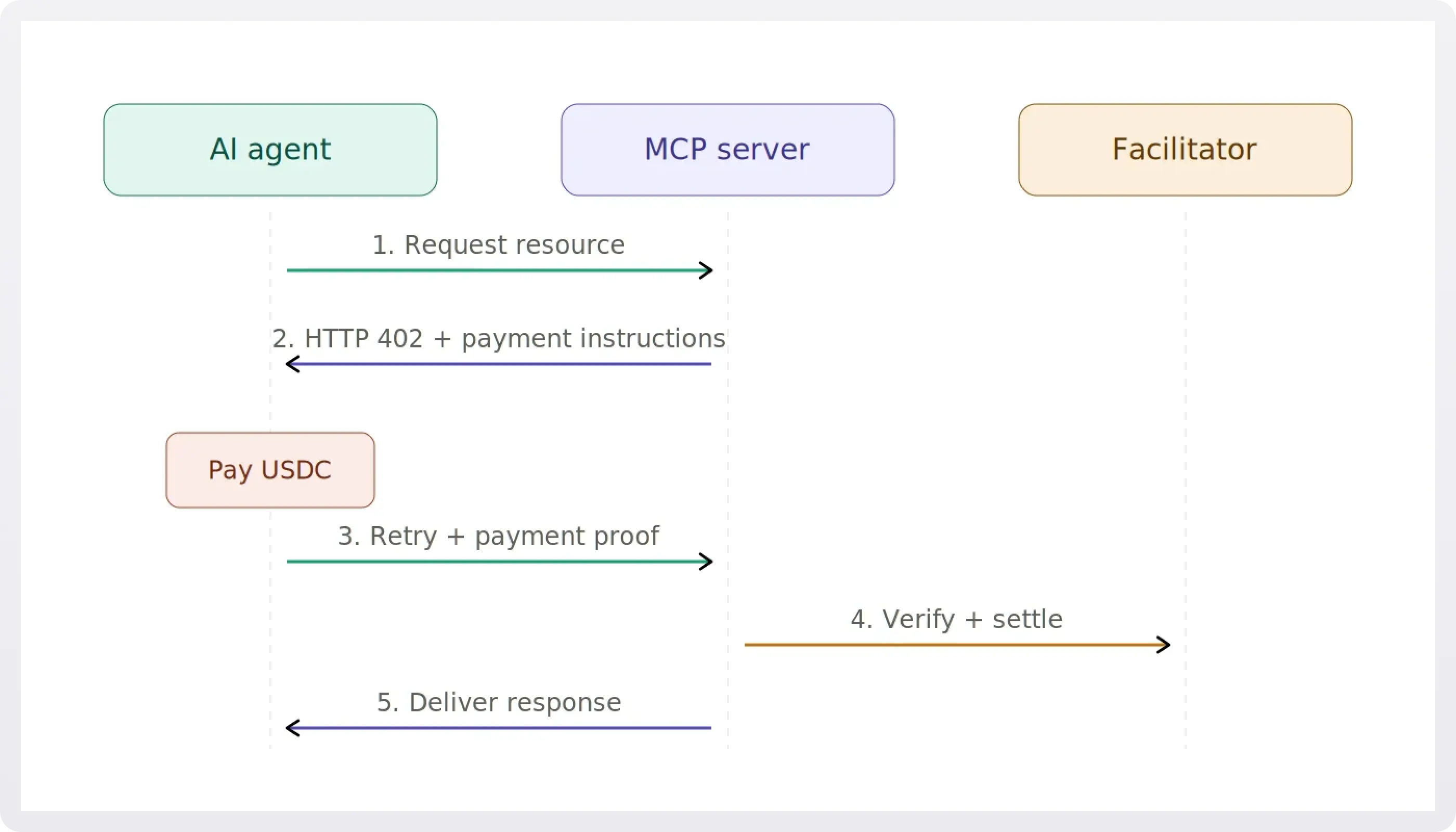
Your API must be prepared to return a structured challenge when identity is missing. This payload should explicitly list the required KYC/AML checks, such as email verification, government ID upload, or transaction monitoring flags. By making these requirements part of the protocol response, you ensure that agents can parse and fulfill them programmatically without manual intervention.
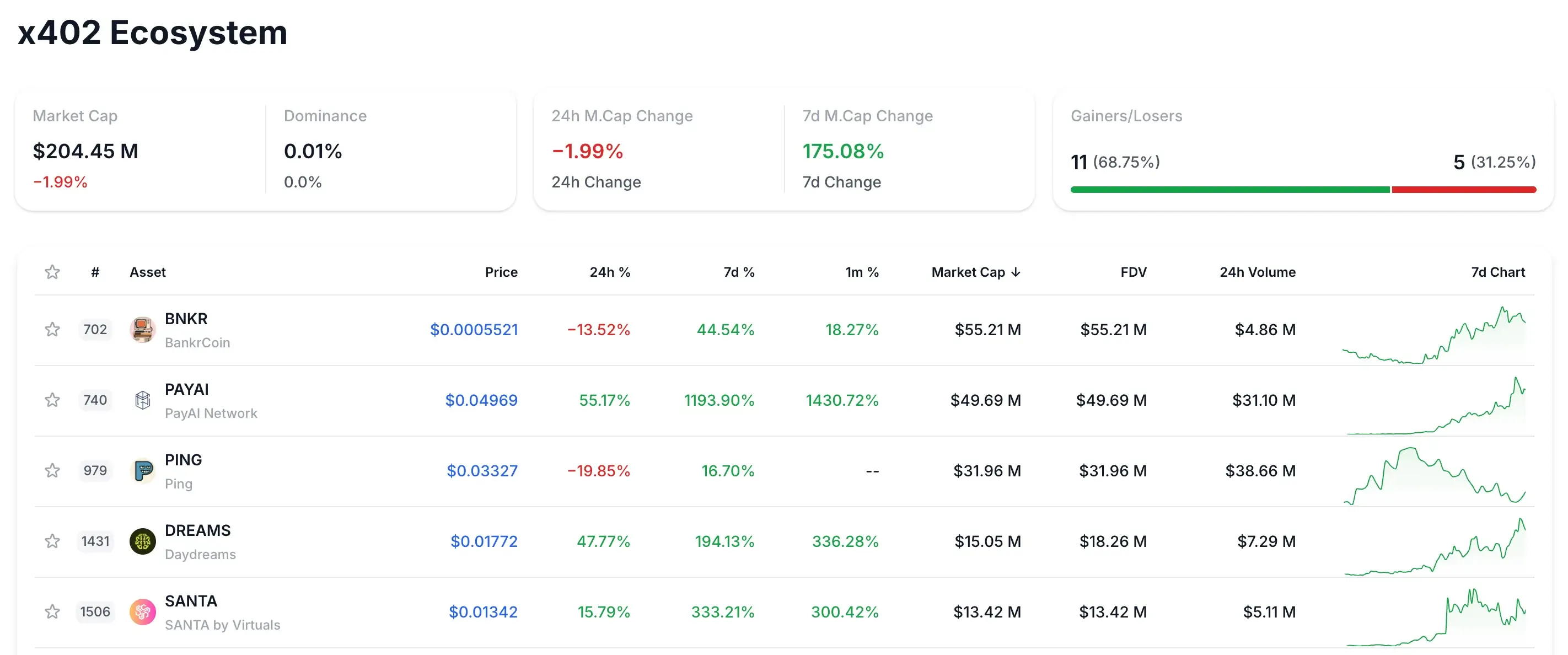
Before processing any payment, route requests through a compliance middleware layer. This layer checks for existing verification tokens or session data. If the agent is unknown, the middleware intercepts the request and triggers the challenge flow. This step prevents payment processing on unverified identities, keeping your platform aligned with financial regulations.
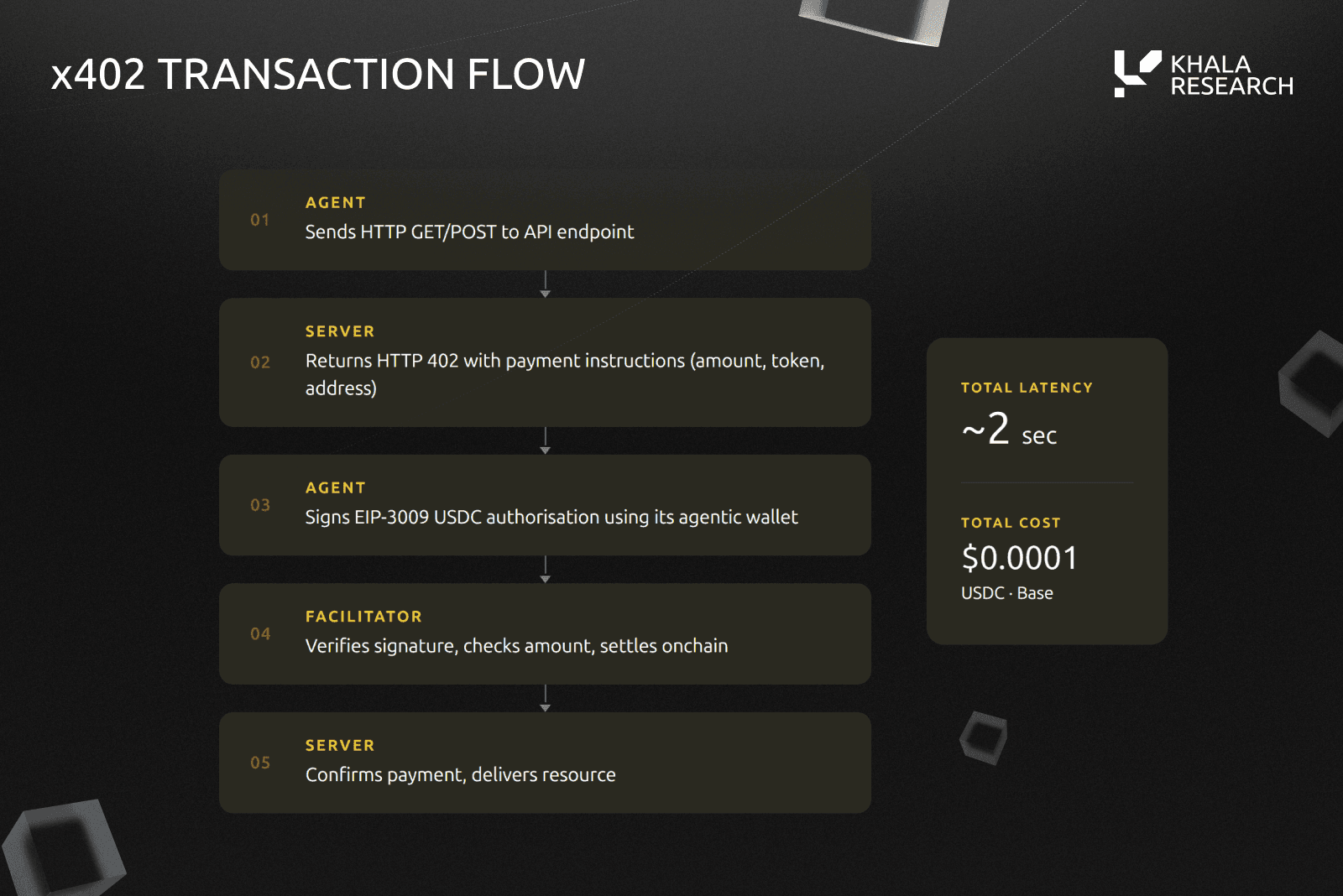
Once the agent or user submits the required compliance data, your system must validate it against a KYC provider. Upon successful verification, your API issues a signed token or updates the session state. This state change signals that the payment gate is open. The agent can then retry the request with valid credentials, allowing the x402 payment to complete.
Maintain a secure, immutable log of all compliance interactions. This record should include the timestamp, the verification status, and the payment hash. These logs are essential for regulatory audits and help you track which agents are operating within your compliance framework. Proper logging also helps you identify patterns of suspicious activity early.
Comparing x402 implementations for compliance
Implementing x402 for KYC/AML checks requires balancing regulatory rigor with the frictionless nature of agent-to-agent commerce. Not all implementations treat compliance as an afterthought; some bake it into the protocol layer, while others rely on external wrappers.
The choice of implementation affects how easily you can integrate with existing compliance frameworks and how securely you handle sensitive identity data.
x402-secure: Built-in Agent Risk Checks
This implementation is designed specifically for autonomous AI agents. It transparently integrates pre-payment risk checks directly into the transaction flow. This approach reduces the need for separate compliance layers but requires strict adherence to the x402 ecosystem standards.
Standard HTTP 402 with External Middleware
This approach wraps the standard x402 protocol with external KYC/AML middleware. It offers greater flexibility for existing infrastructure but introduces additional latency and potential points of failure in the compliance chain. It is often easier to integrate with legacy systems but harder to audit for real-time compliance.
Hybrid: Protocol-Level Identity Anchors
Hybrid models anchor identity verification at the protocol level while allowing flexible payment routing. This provides strong regulatory alignment and reduces the risk of non-compliant transactions, but it requires more complex development effort to maintain compatibility with diverse agent ecosystems.
| Implementation | Compliance Focus | Integration Complexity | Agent Support |
|---|---|---|---|
| x402-secure | Built-in risk checks | High (Ecosystem-specific) | Native |
| Standard HTTP 402 | External middleware | Medium (Flexible) | Limited |
| Hybrid Model | Protocol-level anchoring | High (Complex) | Strong |
For a deeper understanding of the legal framework surrounding these payments, refer to the x402 Protocol and Legal Framework for insights on regulatory alignment.
Building a compliant agent-commerce workflow
Integrating KYC/AML checks into an x402 endpoint requires shifting from simple payment acceptance to a secure, identity-aware transaction flow. The goal is to ensure that the AI agent initiating the payment has passed necessary verification steps before the service is delivered. This protects your API from fraud and ensures regulatory compliance.
Step 1: Define identity requirements and data schema
Before writing code, determine what identity data is necessary for your specific use case. For high-value transactions, you may need full KYC (Know Your Customer) verification. For lower-risk interactions, a lighter AML (Anti-Money Laundering) check might suffice. Define a JSON schema that captures the required agent identity attributes, such as wallet address, verification status, and risk score. This schema will be used to validate incoming requests and store compliance data securely.
Step 2: Integrate verification middleware
Implement middleware in your API handler that intercepts requests before they reach the core business logic. This middleware should call your chosen KYC/AML provider’s API using the agent’s identity data. The middleware must handle synchronous or asynchronous verification results. If the agent fails verification, the middleware should return a specific error code or require additional steps before proceeding to the payment phase.
Step 3: Enforce payment via x402 status codes
Once identity is verified, the endpoint must enforce payment using the x402 protocol. When an unverified or unpaid request arrives, the server should respond with a 402 Payment Required status code. Include the required payment details in the response headers, such as the amount, currency, and payment destination. This ensures that the agent cannot access the service without settling the payment, creating a secure, atomic transaction.
Step 4: Log and audit transaction records
Compliance requires a clear audit trail. Log every request, including the agent’s identity, verification status, payment details, and response status. These logs should be immutable and stored securely for future audits. Ensure that your logging strategy complies with data privacy regulations, such as GDPR or CCPA, by anonymizing sensitive personal data where possible.
Step 5: Test with simulated agent workflows
Before deploying, test the entire workflow using simulated AI agents. Create test cases that cover successful payments, failed verification, and insufficient funds. Use the Coinbase Developer Platform documentation as a reference for implementing x402 endpoints correctly. This step helps identify edge cases and ensures that your compliance checks do not inadvertently block legitimate transactions.
Frequently asked questions about x402 and compliance
What is base x402?
x402 is an open, internet-native payment protocol built on top of the HTTP 402 status code. Developed by the Coinbase Development Platform team, it enables any API or web service to require payment before serving content. This standard absolves the internet's original sin by natively making payments possible between clients and servers, creating win-win economies that empower agentic payments at scale x402.org.
How does x402 handle KYC/AML checks?
For autonomous AI agents, x402-secure is specifically designed to integrate pre-payment risk checks. This ensures that compliance measures, such as Know Your Customer (KYC) and Anti-Money Laundering (AML) verification, are transparently embedded into the transaction flow before any API access or payment is processed. This integration helps secure agent payments while maintaining regulatory adherence.
Is x402 only for AI agents?
While x402-secure targets autonomous AI agents, the base x402 standard is neutral and open for all internet-native payments. It allows any client-server interaction to require payment, making it versatile for various use cases beyond just AI, including premium content access and API monetization.
No comments yet. Be the first to share your thoughts!