Why x402 fits agent commerce
The x402 protocol redefines how automated agents interact with digital services by embedding payment logic directly into the HTTP standard. For KYC/AML checks, this means an agent doesn't just send a request; it initiates a transaction that gates access to sensitive verification data. This machine-to-machine capability allows services to verify identity and process payment in a single, atomic step, eliminating the friction of separate authentication and checkout flows.
This architecture is particularly valuable for high-stakes environments where identity verification is a prerequisite for service delivery. By tying access to a completed transaction, providers ensure that only verified, paying agents can retrieve compliance data. This reduces fraud and streamlines the onboarding process for automated systems that need to operate without human intervention.
From a legal perspective, x402 acts as a new front-end for existing AML/BSA and sanctions obligations rather than a replacement. The protocol handles the payment mechanism, but the underlying compliance risks remain the same. This clarity allows legal teams to apply established regulatory frameworks to automated transactions, ensuring that KYC/AML checks remain robust even as they become more decentralized and programmatic.
Mapping compliance to payment gates
Building x402 endpoints for KYC/AML checks requires aligning cryptographic payment verification with strict regulatory data access. The architecture treats the payment token not just as currency, but as a cryptographic key that unlocks compliant data streams. This ensures that sensitive identity information is only decrypted and delivered after the payer’s legitimacy is verified.
The flow follows a strict sequence of validation and gatekeeping. Each step ensures that the technical request matches the legal requirement for data access.
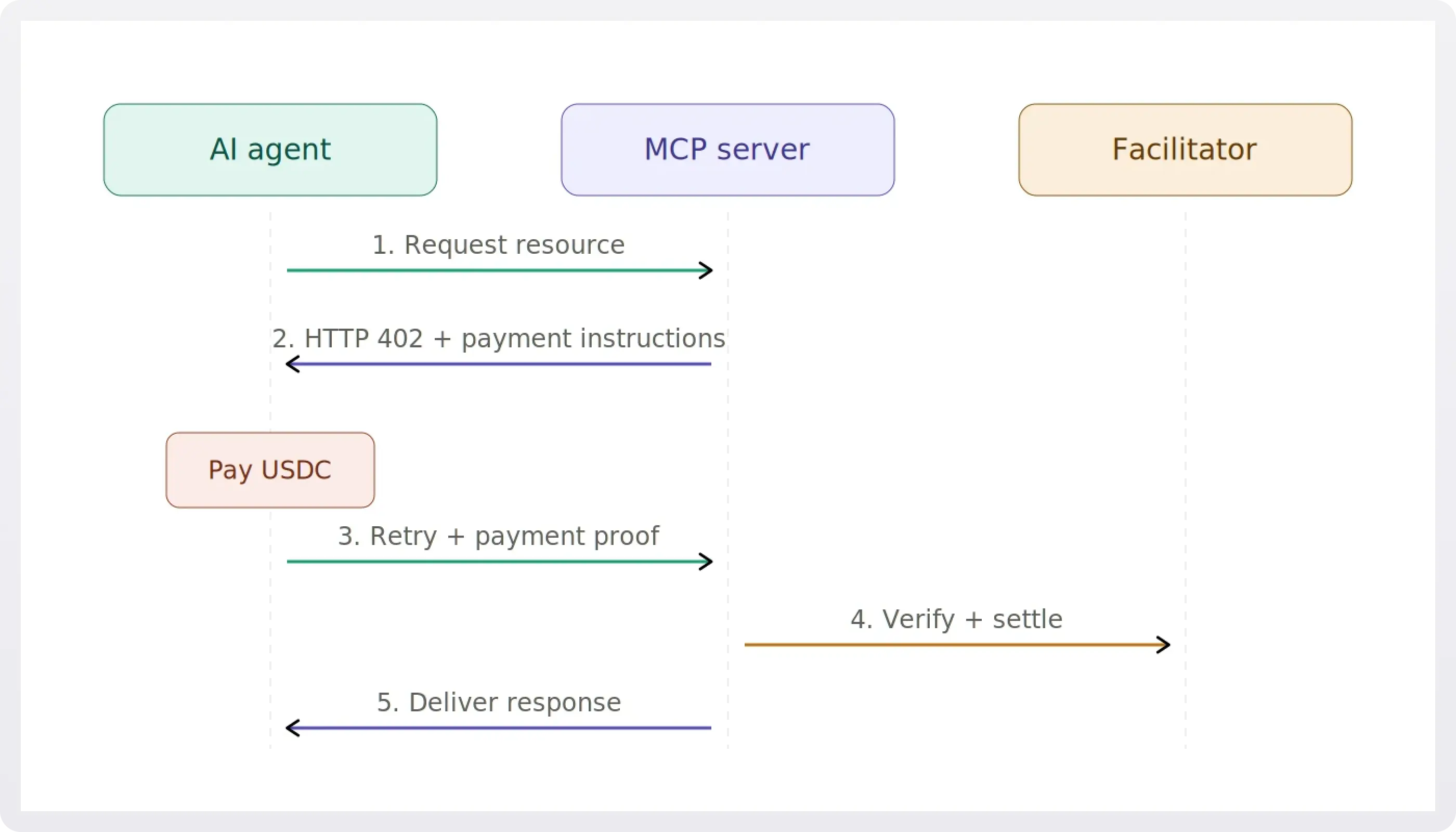
Before any data is released, the system must confirm the payer’s identity through a Customer Identification Program (CIP). This is the first step in KYC/AML onboarding. The x402 protocol verifies the payment signature, ensuring the entity requesting access is who they claim to be. Without this verified identity, the endpoint returns a payment challenge rather than data.

Once the payment is confirmed, the system runs Customer Due Diligence (CDD). This step checks the payer against sanctions lists and adverse media databases. The x402 endpoint acts as a gatekeeper: if the CDD check fails, the payment is rejected, and no data access is granted. This prevents sanctioned entities from purchasing compliance data or bypassing restrictions.
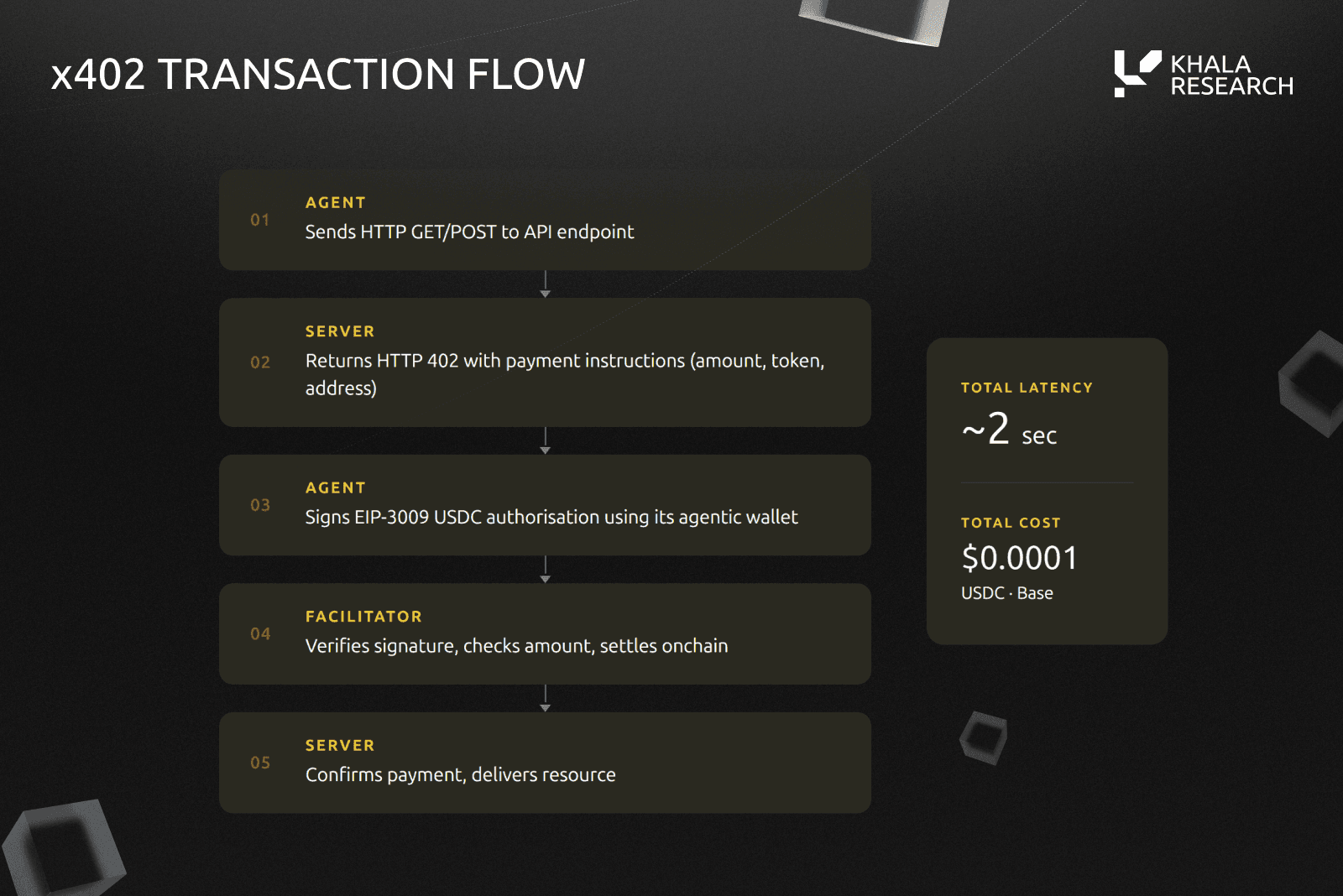
High-risk transactions trigger Enhanced Due Diligence (EDD). For these endpoints, the x402 payment token must include additional metadata or higher-value thresholds to signal the need for deeper scrutiny. The technical architecture supports this by allowing the endpoint to request more complex proofs of payment, ensuring that high-risk actors cannot easily mask their identity through simple transactions.
Compliance does not end with the initial gate. x402 endpoints for KYC/AML checks must support continuous monitoring by validating recurring payments or token renewals. If a payer’s status changes or their payment fails, the endpoint immediately revokes access. This dynamic gating ensures that data access remains compliant over time, not just at the moment of the initial transaction.
The technical implementation of these steps relies on the x402 protocol’s ability to parse payment tokens and enforce conditional logic. By integrating these compliance checks directly into the endpoint’s validation layer, organizations can ensure that every data access event is both paid for and legally compliant.
Choosing a KYC Provider for x402 Integration
Selecting the right KYC provider for x402 endpoints requires balancing technical interoperability with strict regulatory compliance. Because x402 operates on a machine-to-machine payment model, your provider must offer reliable API uptime and seamless data handoff without introducing latency that could break the automated transaction flow. A failure in identity verification doesn't just stop a payment; it exposes your infrastructure to significant legal liability under evolving AML frameworks.
When evaluating providers, focus on three core pillars: API reliability, data privacy standards, and regulatory coverage. API reliability ensures that identity checks complete within the milliseconds required for x402 automated settlements. Data privacy is non-negotiable; your provider must comply with GDPR and other regional data protection laws to prevent leaks during the verification process. Finally, regulatory coverage determines which jurisdictions your x402 endpoints can legally serve. A provider limited to EU compliance may not support Asian or North American markets without additional licensing.
To help you compare options, the table below outlines key differentiators among leading KYC providers. Use this as a starting point to evaluate which provider aligns with your specific x402 infrastructure needs.
| Provider | API Uptime SLA | Primary Coverage | x402 Integration Ease |
|---|---|---|---|
| Sumsub | 99.99% | Global (190+) | High (RESTful APIs) |
| Jumio | 99.95% | EU, US, APAC | Medium (Custom SDKs) |
| Onfido | 99.9% | EU, UK, US | Medium (Standard APIs) |
| Trulioo | 99.99% | Global (190+) | High (Web Services) |
Segregate payment logs from KYC records
When implementing x402 endpoints for KYC/AML checks, the most critical technical decision is how you store data. Under regulations like the GDPR and CCPA, payment transaction logs and identity verification records are not the same thing, and treating them as such creates legal liability. You must architect your systems to keep these two data silos strictly separate.
Payment logs under the x402 protocol are primarily about the settlement of value. They record the hash of the transaction, the timestamp, and the amount paid. This is operational data. KYC data, by contrast, contains sensitive personally identifiable information (PII) such as government IDs, facial recognition templates, or proof of address. This is sensitive personal data.
Mixing these datasets violates the principle of data minimization. If you store a customer’s passport scan in the same database table as their x402 payment history, you expose sensitive PII to every system that needs to audit transaction volume. This is a compliance nightmare. Instead, use a relational link where the payment log references a secure, encrypted KYC record ID, but never stores the KYC payload itself.
This separation also simplifies your right-to-be-forgotten requests. If a user in the EU exercises their right to erasure, you can delete their KYC data and payment history without needing to reconstruct the entire transaction ledger. It keeps your data hygiene clean and your legal defense strong.
To ensure your development team doesn't accidentally couple these systems, use this checklist during your code review:
- Database Schema: Verify that PII fields are in a separate table or schema from transaction logs.
- API Endpoints: Ensure the KYC verification endpoint does not return payment history, and the payment endpoint does not return identity documents.
- Access Controls: Restrict database access so that payment engineers cannot query KYC records, and vice versa.
- Encryption: Apply different encryption keys to the KYC storage bucket versus the payment log storage.
By keeping the financial trail distinct from the identity trail, you satisfy both the technical requirements of the x402 protocol and the legal mandates of modern privacy law. This segregation is not just a best practice; it is a requirement for running compliant x402 endpoints for KYC/AML checks.
Avoid common implementation mistakes in x402 endpoints for KYC/AML checks
Building x402 endpoints for KYC/AML checks requires more than just integrating a payment protocol; it demands rigorous error handling and legal precision. One of the most frequent technical failures is ignoring payment rejection scenarios. If an x402 payment fails due to insufficient funds or a network timeout, your endpoint must immediately halt the verification workflow. Returning a standard "success" response despite a failed transaction creates a critical compliance gap that regulators will flag.
Legal pitfalls are equally dangerous. Many developers assume a single global KYC policy suffices, but x402 endpoints for KYC/AML checks often serve users across multiple jurisdictions. Failing to adapt to local regulations—such as the EU’s AMLD5 or specific state-level requirements—can result in multi-million euro fines. Start by creating a standardized global policy that adapts to local nuances while maintaining centralized oversight.
No comments yet. Be the first to share your thoughts!