Why x402 changes compliance risk
The x402 protocol introduces a new layer to internet commerce: automated, machine-to-machine payments. This shift enables agents to transact without human intervention, creating a frictionless economy for data and services. However, this technical advancement does not rewrite the legal landscape. The obligations surrounding Know Your Customer (KYC) and Anti-Money Laundering (AML) checks remain firmly anchored in existing regulatory frameworks.
Building x402 endpoints for KYC/AML checks requires understanding that the protocol is a payment layer, not a compliance layer. As noted by legal experts analyzing the x402 protocol, "From a BSA/AML and sanctions perspective, x402 is a new front-end for the same underlying risks" [1]. The speed and automation of these transactions do not exempt businesses from the Bank Secrecy Act (BSA) or other anti-money laundering regulations. In fact, the velocity of automated payments may increase scrutiny, as regulators look for ways to prevent illicit funds from moving faster than detection systems can track.
Fintech companies and service providers must ensure that their x402 integrations include robust identity verification steps before any payment is authorized. The convenience of automated commerce cannot come at the cost of regulatory non-compliance. Failure to implement proper checks can result in severe penalties, including multi-million euro fines under EU regulations [2]. As you design these endpoints, prioritize legal adherence alongside technical efficiency to mitigate risk in this emerging space.
[1] Braumiller Law Group. "x402 Protocol: Activating HTTP 402 for Stablecoin Payments." [2] Sumsub. "AML/KYC Compliance Guide for Fintech 2025."
Mapping KYC steps to x402 gates
The x402 protocol turns HTTP responses into compliance checkpoints. Instead of a standard 200 OK, your endpoint returns 402 Payment Required when a user lacks the necessary identity verification. This mechanism forces a payment or data exchange before granting access to sensitive records.
To build effective x402 endpoints for KYC/AML checks, you must align technical gates with legal requirements. The goal is to create a frictionless flow where identity verification feels like a natural step in the transaction, not a roadblock. Below is the technical workflow for structuring these interactions.
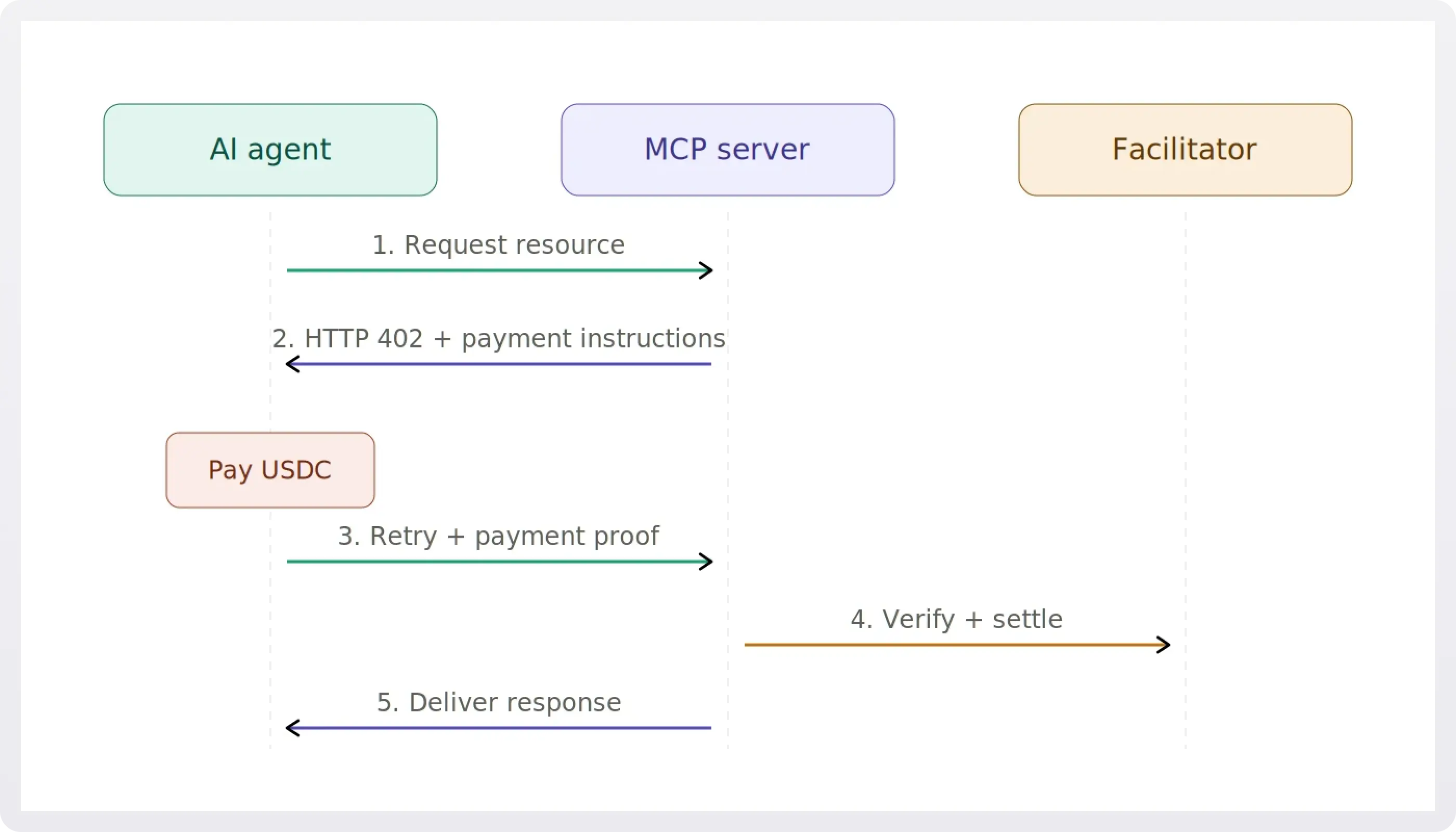
Start by requesting basic customer identification. If the request lacks valid credentials, return a 402 with a payload detailing the missing information. This aligns with the first step of any Customer Identification Program (CIP), ensuring you collect the minimum necessary data before proceeding.

Once data is submitted, your system must validate it against authoritative sources. This is Customer Due Diligence. If the data is incomplete or invalid, the 402 response should include specific error codes. This prevents users from submitting generic or forged documents, keeping your endpoint secure.
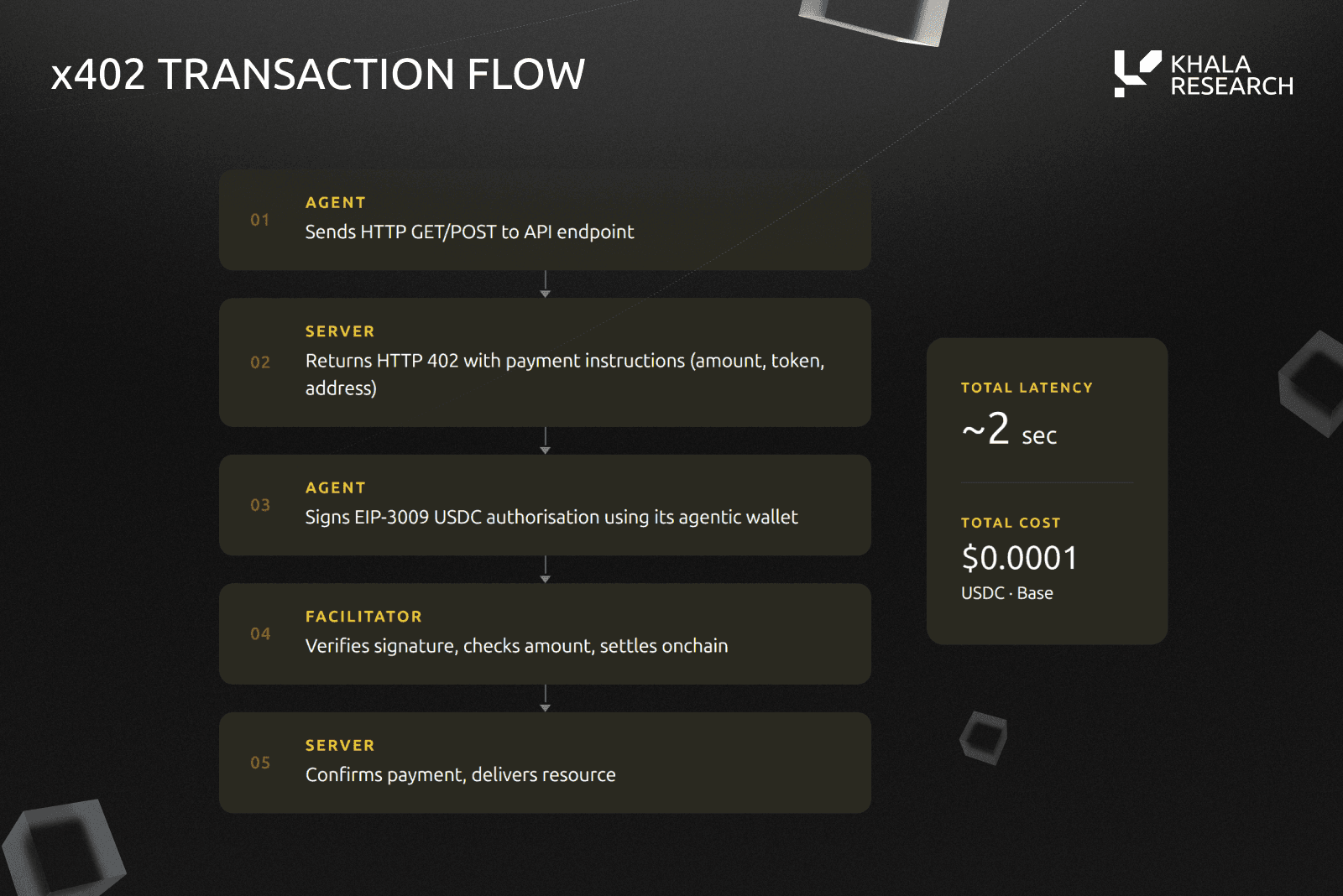
For high-risk profiles, trigger Enhanced Due Diligence (EDD). This might involve deeper background checks or source-of-funds verification. Use the x402 payment gateway to charge for these specialized services. The 402 response acts as a gate, ensuring only verified, high-intent users proceed to the next stage.
KYC is not a one-time event. Implement continuous monitoring by checking for changes in risk status on every API call. If a user's risk profile changes, return a 402 to pause access until re-verification is complete. This keeps your endpoint compliant with ongoing regulatory obligations.
When all checks pass, the endpoint returns a 200 OK. The user has paid the "price" of verification and received the data or service. This successful flow completes the cycle, providing a clear audit trail for both the user and your compliance team.
This approach ensures that your x402 endpoints for KYC/AML checks are not just technically sound, but also legally robust. By embedding compliance into the HTTP response cycle, you create a system that is both secure and user-friendly.
Choosing your compliance data providers
Building x402 Endpoints for KYC/AML Checks requires more than just code; it demands reliable data. When an AI agent needs to verify a user, it calls an endpoint that must return a clear pass, fail, or risk score. You cannot build this trust from scratch. Instead, you integrate with established providers who handle the heavy lifting of data aggregation and regulatory updates.
The market for these services is fragmented. Some providers specialize in identity verification, others in sanctions screening, and many offer bundled solutions. For an automated workflow, the distinction matters. A simple name check is fast but shallow. A full risk profile takes longer but captures complex ownership structures. Your choice determines how smoothly your agent can handle high-stakes transactions.
Below is a comparison of the three most common provider types. This table helps you decide which fits your agent's latency and accuracy requirements.
| Provider Type | Speed | Coverage | Best For |
|---|---|---|---|
| Identity Verification | Fast (seconds) | Document + Biometric | User onboarding |
| Sanctions Screening | Medium (seconds) | Global lists + PEPs | Transaction monitoring |
| Risk Scoring | Slow (minutes) | Behavioral + Historical | High-value alerts |
| Bundled Solutions | Variable | Full stack | Startups |
When selecting a partner, look beyond price. The cost of a false positive in KYC is higher than the API fee. Choose providers with clear audit trails and official regulatory backing. This ensures your x402 endpoints remain compliant as laws evolve.
Handling cross-border AML rules
Building x402 Endpoints for KYC/AML Checks becomes significantly more complex when transactions cross international borders. Unlike domestic transfers, cross-border payments trigger a patchwork of regulatory requirements that vary by jurisdiction. Your endpoint must be designed to handle these divergent legal standards without breaking the flow of commerce.
The most critical challenge is the FATF Travel Rule. This regulation requires virtual asset service providers to share originator and beneficiary information for transactions above specific thresholds. If your x402 endpoint facilitates crypto or fintech transfers, it must securely transmit this data to the counterparty’s institution. Failure to comply can result in severe penalties or blocked transactions.
Beyond the Travel Rule, you must account for local sanctions lists and beneficial ownership registries. A transaction might be compliant in the sender’s country but illegal in the receiver’s. Your technical implementation needs to query multiple official databases in real-time. This means your x402 endpoints must be robust enough to handle latency from international regulatory APIs.
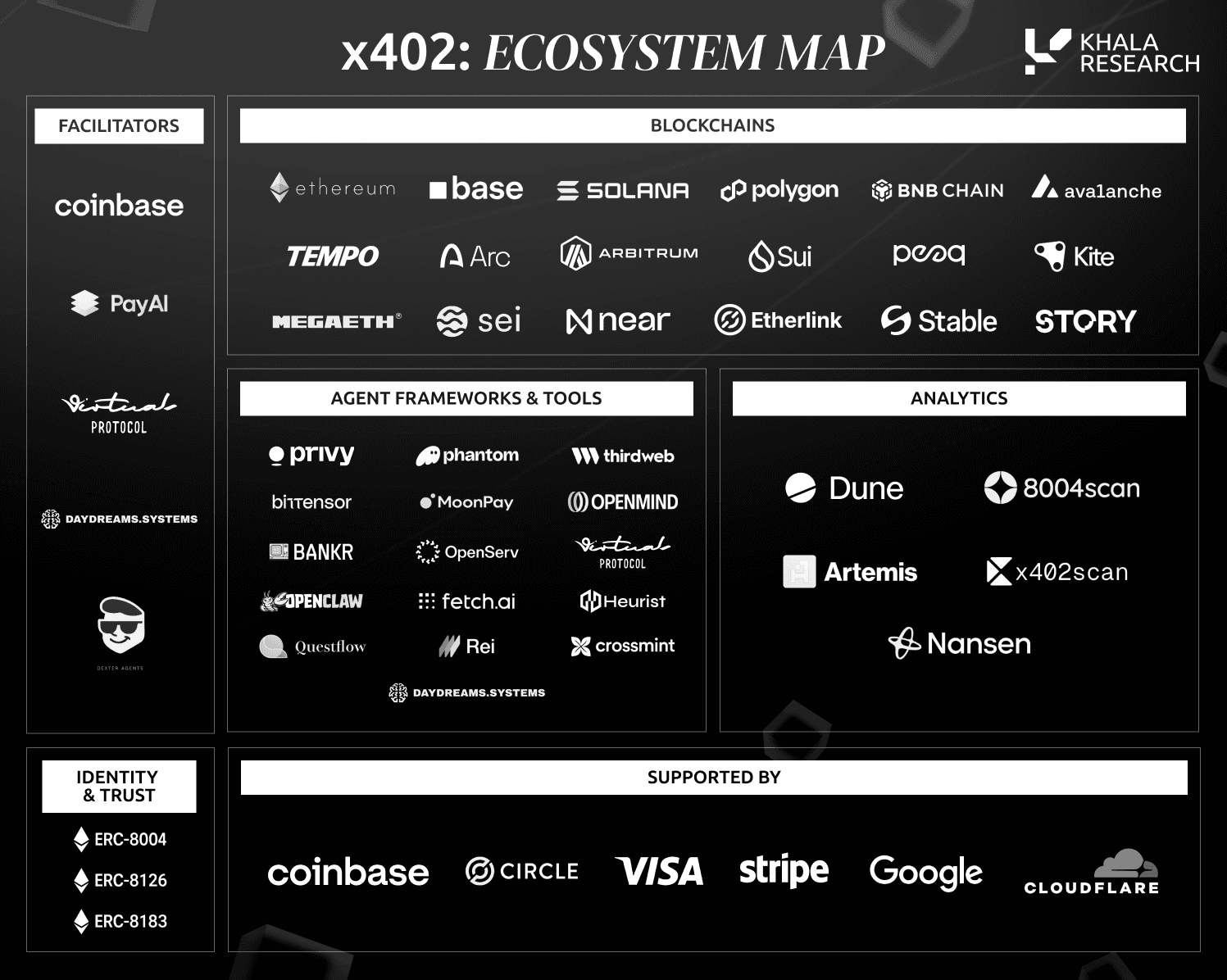
To stay ahead of these evolving standards, it helps to monitor how major financial institutions adapt their compliance tech. The broader market for anti-money laundering solutions is shifting rapidly as regulations tighten.
Common Pitfalls in Automated Checks
Building x402 Endpoints for KYC/AML Checks requires more than just integrating a payment gateway. The legal stakes are high, and technical missteps can lead to severe regulatory penalties. As noted by Braumiller Law, x402 is simply a new front-end for existing BSA/AML and sanctions obligations; the underlying compliance duties remain unchanged [1]. Ignoring this reality is the first step toward trouble.
False Positives and Latency
Automated screening tools often flag legitimate users as high-risk due to fuzzy matching algorithms. This creates friction, causing users to abandon the transaction. If your endpoint introduces significant latency while waiting for compliance checks, you break the real-time nature of agent-to-agent commerce. You must tune these thresholds carefully to balance security with user experience.
Inadequate Record-Keeping
Regulators require detailed audit trails for every transaction. If your x402 endpoint logs the payment but fails to attach the corresponding KYC verification data, you are non-compliant. The Sumsub guide highlights that fintechs face multi-million euro fines for such gaps in AML compliance under EU regulations [2]. Ensure your system links every token transfer to the specific identity verification event.
The Pre-Launch Checklist
Before going live, verify these critical components to avoid common pitfalls:
-
Latency Testing: Measure check duration under load to ensure it doesn't exceed acceptable thresholds.
-
Audit Trail Linking: Confirm that every payment record includes the associated KYC/AML verification ID.
-
False Positive Tuning: Review screening thresholds to minimize unnecessary user friction.
-
Regulatory Alignment: Verify that your data handling meets the specific BSA/AML requirements of your target jurisdiction.
x402 Endpoints for KYC/AML Checks: FAQs
Here are common questions about building x402 endpoints for KYC/AML checks.
Does x402 replace KYC/AML compliance?
No. x402 is a payment mechanism, not a compliance solution. You still must verify customer identities and monitor transactions under existing BSA/AML laws. The protocol simply gates access to endpoints requiring payment.
Can I use stablecoins for KYC payments?
Yes. Many x402 implementations use stablecoins to facilitate fast, on-chain settlements. However, you must still screen these payments against OFAC lists to avoid sanctions violations. The underlying legal obligations remain unchanged.
How do I handle refunds for KYC services?
x402 does not automate refunds. You must build separate logic to handle chargebacks or service failures. Ensure your smart contracts or backend systems can reverse payments if the KYC check fails or the service is defective.
Is x402 GDPR compliant?
x402 itself is neutral, but how you use it matters. Storing personal data on-chain can violate GDPR. Ensure your KYC data stays off-chain or is properly anonymized before any on-chain interaction occurs.
No comments yet. Be the first to share your thoughts!