Set up the x402 payment layer
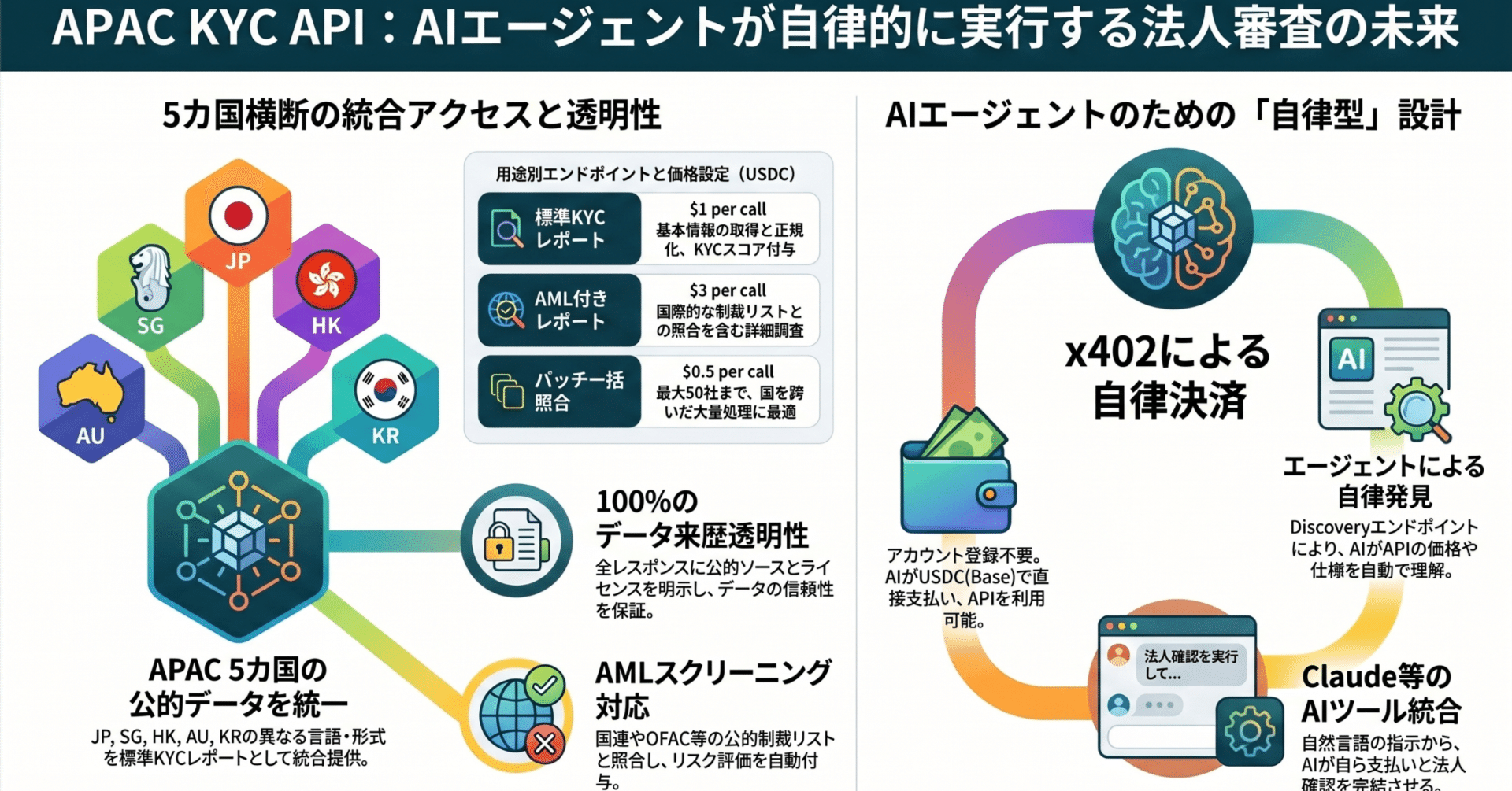
Before handling identity verification, your API needs a mechanism to accept payment. The x402 standard allows your endpoints to charge both human users and autonomous AI agents automatically. This setup turns your KYC/AML verification service into a monetizable asset rather than a static internal tool.
To begin, you must configure your Coinbase Developer Platform (CDP) environment. This involves creating a project, generating API keys, and linking a wallet capable of receiving the specific cryptocurrency required by your x402 implementation. The official CDP documentation provides the definitive steps for this initial configuration, ensuring your wallet is correctly aligned with the x402 protocol requirements.
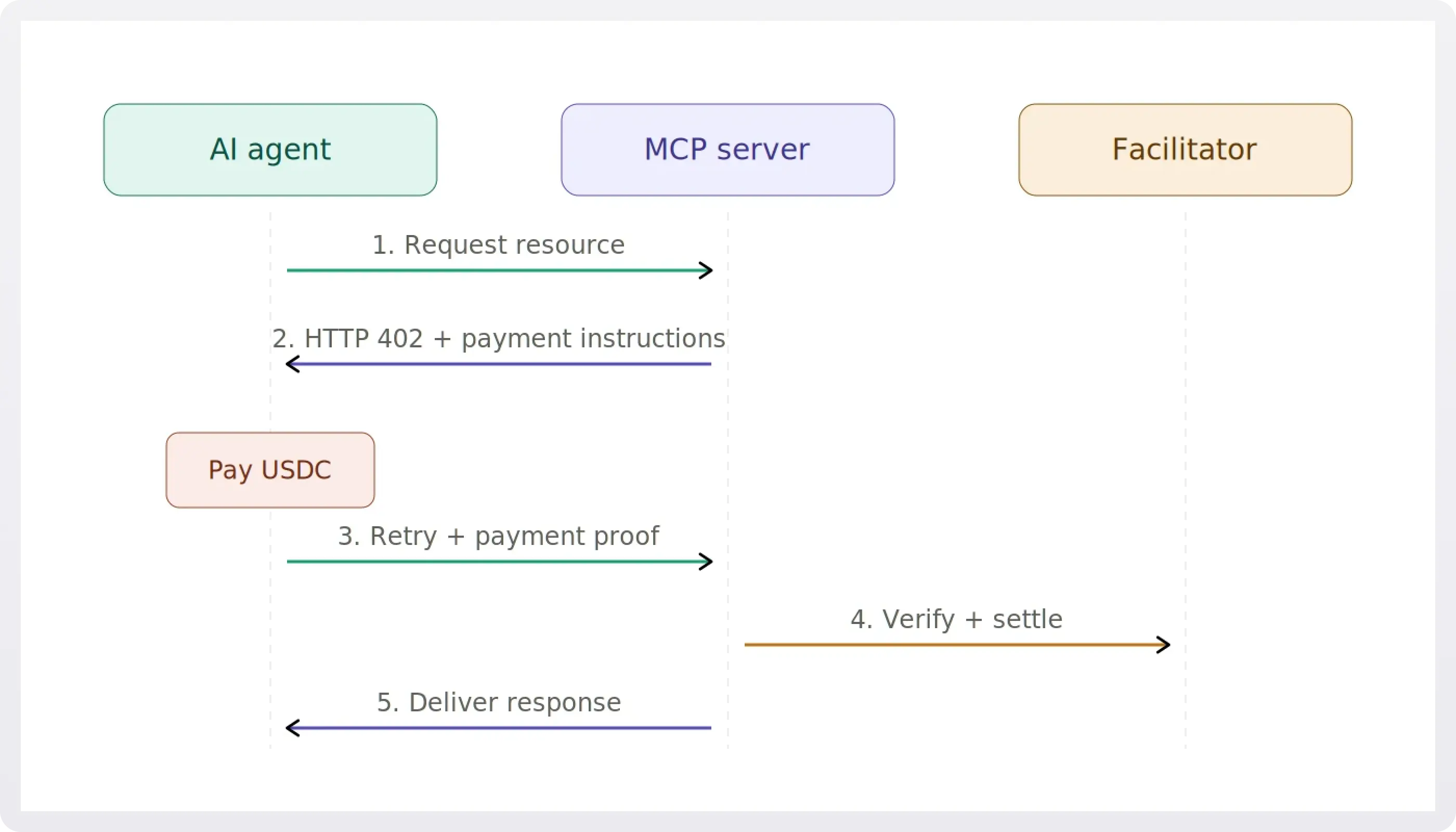
Once your wallet is active, you will need to implement the x402 middleware. This middleware intercepts incoming requests, checks for a valid payment response, and only proceeds with the KYC/AML logic if the payment condition is met. This creates a secure barrier where verification services are gated behind a transaction, ensuring you are compensated for every identity check performed.
The final step in this phase is testing the flow. Use a testnet environment to simulate a payment request. Verify that your API returns the correct 402 Payment Required status when no payment is provided, and that it successfully processes the identity verification request once a valid x402 payment token is attached. This validation ensures your monetization layer is robust before exposing the service to real users or agents.
Integrate KYC/AML verification endpoints
Connecting your x402 payment layer to compliance tools requires selecting APIs that handle identity verification and screening with minimal friction. The goal is to automate the KYC lifecycle—verification, due diligence, and transaction monitoring—so payments clear only after risk is assessed. This integration turns compliance from a manual bottleneck into a programmatic gatekeeper.
When choosing providers, prioritize those offering robust API documentation and high uptime. ComplyCube and Fenergo are prominent examples of platforms that structure their services around developer-friendly endpoints. ComplyCube focuses on automating identity verification, KYB (Know Your Business), and biometric liveness checks, while Fenergo emphasizes risk assessment and case management integration. Both allow you to embed compliance checks directly into your user onboarding flow.
| Provider | Primary Focus | Integration Style |
|---|---|---|
| ComplyCube | Identity & Biometric Verification | REST API & SDKs |
| Fenergo | Risk Assessment & Case Management | API & Workflow Engine |
| Trulioo | Global Identity Verification | API & Webhooks |
The integration process typically involves three steps. First, you configure the API keys and set up webhooks to receive verification results asynchronously. Second, you trigger the verification request by sending customer data to the provider’s endpoint. Finally, your application listens for the webhook response to update the user’s status and allow or deny the x402 transaction. This flow ensures that no payment is processed without a clear compliance signal.
When implementing these endpoints, consider the latency impact on your users. Identity verification can take seconds to minutes depending on the depth of the check. Design your UI to handle pending states gracefully, perhaps by showing a progress indicator while the x402 endpoint waits for the KYC result. This user experience is critical for maintaining conversion rates during onboarding.
Design the agent commerce strategy
To build a reliable x402 endpoints for KYC/AML checks system, you must structure your agent commerce strategy around a strict settlement gate. Your AI agents should not process payments or deliver digital goods until the compliance layer confirms the user is cleared. This approach treats KYC not as a one-time sign-up form, but as a continuous checkpoint embedded in the transaction flow.
The core logic follows a linear sequence: request, verify, then settle. When an agent initiates a request, it first calls the KYC verification endpoint. This step confirms the customer's identity and assesses their level of financial crime risk. Only if this check returns a success status does the agent proceed to the next stage. If the check fails, the agent must halt immediately and return a clear error to the user, preventing any data leakage or unauthorized access.
This strategy ensures that your x402 endpoints for KYC/AML checks remain compliant with global regulations. By gating transactions at the agent level, you reduce the risk of processing funds for sanctioned entities or high-risk profiles. The agent acts as the gatekeeper, holding the transaction in a pending state until the compliance signal is received. This method is particularly effective for digital goods and software licenses, where immediate delivery is possible but must be contingent on verified identity.
Implementing this strategy requires careful error handling. Your agents should be designed to retry the verification check if the network is slow, but they must never bypass the check. This strict adherence to the x402 endpoints for KYC/AML checks protocol builds trust with users and regulators alike, ensuring that every transaction is both secure and compliant.
Verify security and compliance standards
Validating that your x402 endpoints meet regulatory requirements requires a structured approach to on-chain settlement logic and data handling. The goal is to ensure that every micro-transaction triggers the necessary KYC/AML checks without introducing latency or exposing sensitive user data.
Define clear thresholds for when an x402 payment requires identity verification. Low-value transactions may only need basic Customer Identification Program (CIP) data, while high-value or cross-border settlements should trigger Enhanced Due Diligence (EDD). This logic must be embedded in your smart contract or middleware layer to ensure compliance is automatic, not manual.
Ensure that sensitive KYC data is never stored directly on public blockchains. Use zero-knowledge proofs or off-chain storage with on-chain hashes to verify identity without exposing PII. Your x402 endpoint should return a compliance status (e.g., verified, flagged, pending) rather than raw user documents, aligning with GDPR and local AML regulations.
KYC/AML is not a one-time check. Integrate your x402 endpoints with continuous monitoring tools that flag suspicious transaction patterns in real-time. If a user’s risk profile changes, the endpoint should automatically restrict further transactions until re-verification is complete. This aligns with the FATF’s recommendation for ongoing customer due diligence.


As an Amazon Associate, we may earn from qualifying purchases.
Top tools for x402 KYC/AML integration
Selecting the right infrastructure for x402 endpoints requires balancing automated compliance checks with seamless developer experience. These tools help you integrate KYC and AML screening directly into your payment flow without adding significant friction for the user.


- Workflow automation
- Risk assessment tools
- Regulatory reporting
As an Amazon Associate, we may earn from qualifying purchases.
ComplyCube offers a robust platform for automating customer onboarding. Their API supports biometric liveness detection and real-time AML screening, which helps reduce manual review loads. This is particularly useful for x402 endpoints where payment authorization depends on verified identity status.
For developers looking for more modular components, identity verification SDKs provide flexible integration options. These tools often include mobile-first verification flows, which are essential for maintaining high conversion rates during the onboarding process. When choosing a solution, prioritize those with clear API documentation and strong support for automated risk assessment workflows.
What is the end-to-end KYC process in AML?
The end-to-end KYC process in AML is a four-stage lifecycle that verifies identity and monitors risk throughout the customer relationship. It begins with onboarding checks and continues with ongoing surveillance to catch suspicious activity.
1. Customer Identification (CIP)
Collecting and verifying core identity data. This stage requires government-issued IDs and proof of address to establish who the customer is.
2. Customer Due Diligence (CDD)
Assessing the risk level of the customer. This involves screening against sanctions lists and understanding the source of funds to determine potential exposure.
3. Enhanced Due Diligence (EDD)
Applying stricter scrutiny to high-risk profiles. This step is mandatory for politically exposed persons (PEPs) or complex corporate structures.
4. Continuous Monitoring
Ongoing transaction surveillance. Systems scan for anomalies post-onboarding, ensuring compliance remains active as the customer's behavior changes.
No comments yet. Be the first to share your thoughts!