Why x402 fits agent commerce compliance
Autonomous agents operate at machine speed, but regulatory frameworks like KYC (Know Your Customer) and AML (Anti-Money Laundering) require human-verified checkpoints. This mismatch creates a bottleneck: traditional API payment models lack the native mechanisms to enforce compliance checks before a transaction settles. x402 solves this by integrating payment and verification into a single protocol layer, allowing agents to pay for compliance services automatically.
The x402 specification enables on-chain settlement for API calls. Instead of relying on third-party payment gateways that introduce latency and friction, agents can use stablecoins to pay for KYC/AML checks directly. This ensures that compliance is not an afterthought but a prerequisite for service access. As noted in industry guides, building effective x402 endpoints requires mapping API logic to the four distinct stages of the compliance lifecycle, ensuring that every interaction is auditable and compliant.
By embedding compliance into the payment flow, x402 reduces the risk of regulatory violations while maintaining the speed and autonomy that agents provide. This approach aligns with the growing demand for transparent, on-chain financial interactions that satisfy both technical efficiency and legal requirements.
Set up x402 payment middleware
Before your API can verify a user’s identity or run a compliance check, the payment layer must be ready to handle the transaction. This section walks you through integrating the x402 facilitator to manage payment payloads securely.
We’ll use Thirdweb as the facilitator, but the logic applies to any compliant provider. The goal is to ensure the payment happens before the KYC/AML check runs, creating a frictionless flow for AI agents and human users alike.
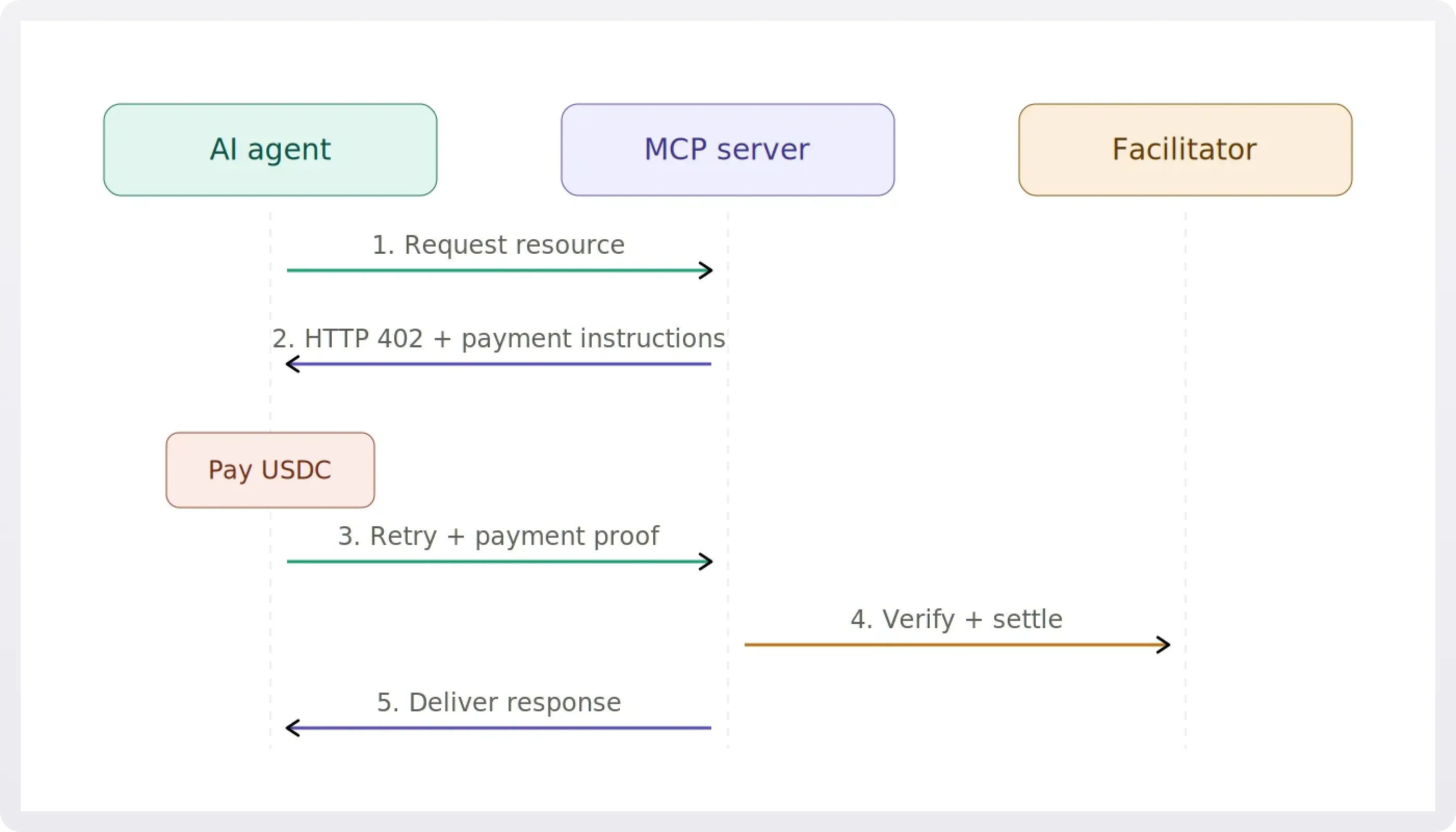
Start by installing the facilitator SDK and configuring your environment variables. You’ll need your wallet private key and the target network (usually a stablecoin chain like USDC on Base or Arbitrum). This step establishes the connection between your backend and the blockchain.
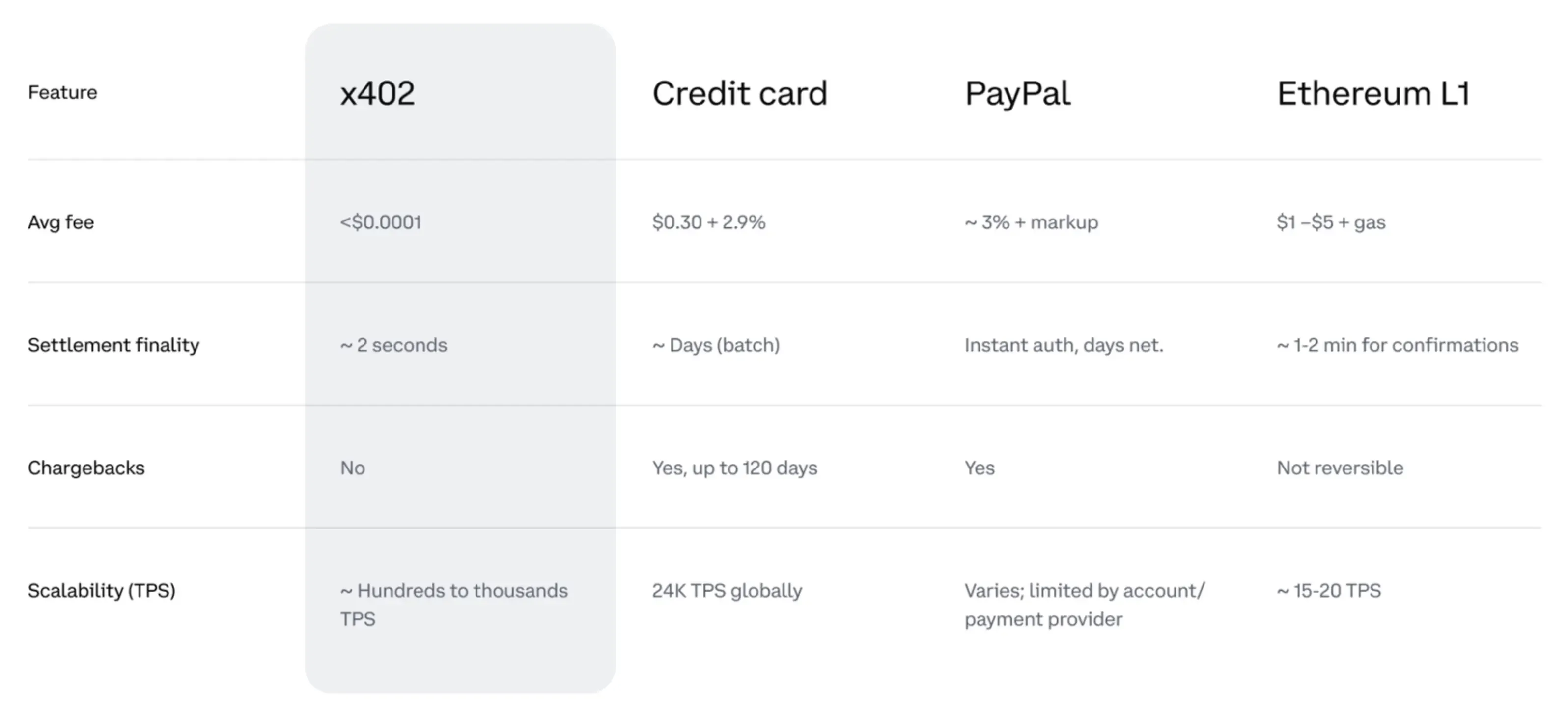
Define the PaymentPayload structure for your KYC/AML endpoint. This payload includes the amount, currency (e.g., USDC), and the specific API route it unlocks. The facilitator signs this payload, ensuring it can’t be tampered with before the buyer sees it.
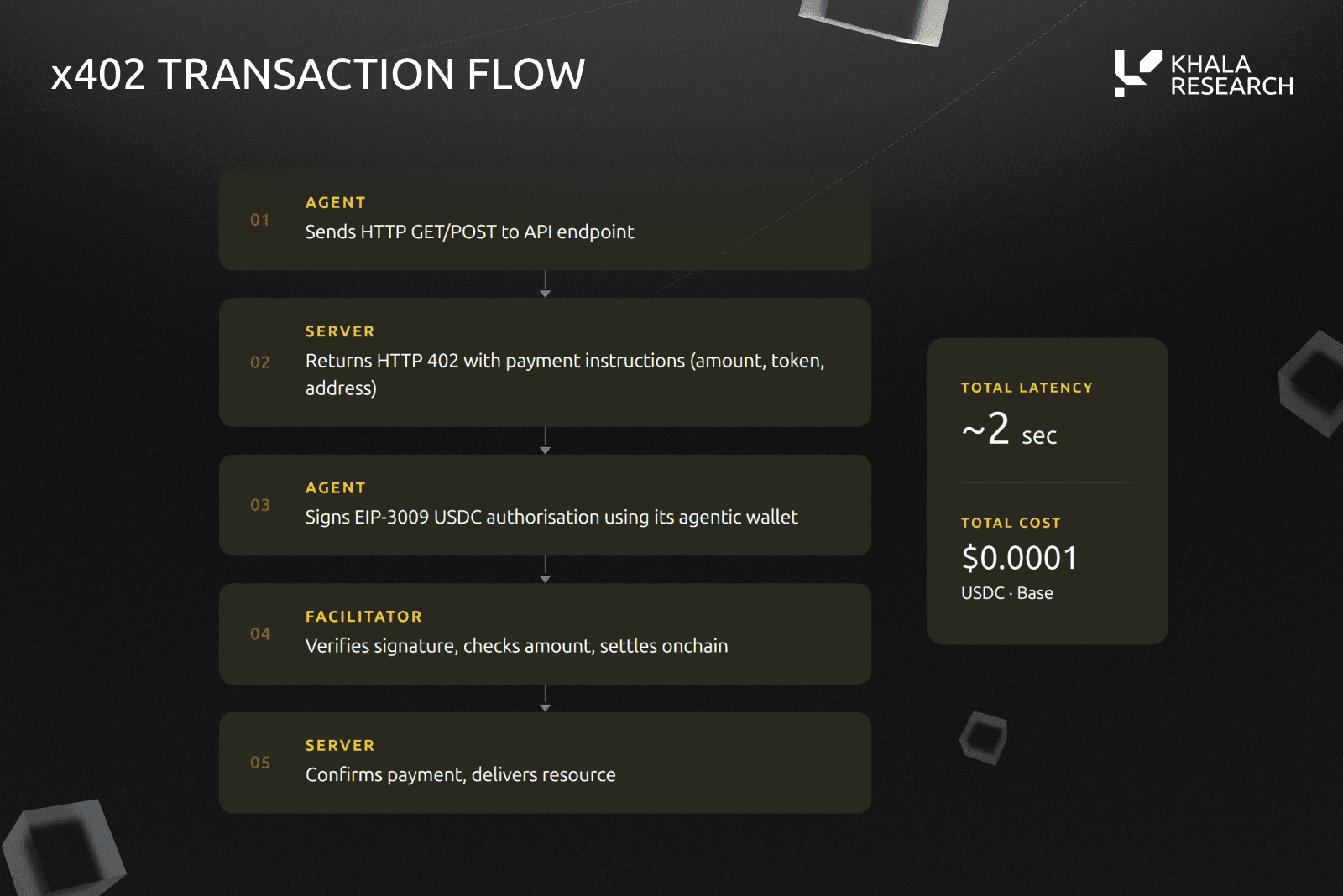
Add a middleware function to your API that intercepts incoming requests. This function checks for a valid x402 signature. If the signature is valid and the payment is confirmed on-chain, the request proceeds to the KYC/AML provider. If not, it returns a 402 Payment Required error.

Use a testnet to simulate the full journey: agent initiates check → facilitator presents payload → buyer signs → payment settles → API processes KYC. This ensures your compliance logic only triggers after payment is secured, preventing abuse.
Integrate KYC verification logic
x402 Endpoints for KYC/AML Checks works best as a clear sequence: define the constraint, compare the realistic options, test the tradeoff, and choose the path with the fewest hidden costs. That order keeps the advice usable instead of decorative. After each step, pause long enough to check whether the recommendation still fits the reader's actual situation. If it depends on perfect timing, unusual access, or a best-case budget, include a simpler fallback.
The simplest way to use this section is to write down the real constraint first, compare each option against it, and choose the path that still works outside ideal conditions.
Structure payment schemes for access
x402 Endpoints for KYC/AML Checks works best when the purchase path is explicit. Verify the source, compare the offer against real alternatives, check the total cost, and confirm what happens after payment before you decide. After each comparison, write down the one risk that would change your mind. If the seller, condition, support, warranty, shipping, or upkeep still feels uncertain, resolve that question before moving to checkout.
| Factor | What to check | Why it matters |
|---|---|---|
| Fit | Match the option to the primary use case. | A good deal still fails if it does not fit the job. |
| Condition | Verify age, wear, and service history. | Hidden condition issues erase upfront savings. |
| Cost | Compare purchase price with likely upkeep. | The cheapest option is not always the lowest-cost option. |
Test endpoints with real payment schemes
x402 Endpoints for KYC/AML Checks works best as a clear sequence: define the constraint, compare the realistic options, test the tradeoff, and choose the path with the fewest hidden costs. That order keeps the advice usable instead of decorative. After each step, pause long enough to check whether the recommendation still fits the reader's actual situation. If it depends on perfect timing, unusual access, or a best-case budget, include a simpler fallback.

Helpful gear
Use these product recommendations as a starting point, then choose the size, material, and price point that fit how you actually use the gear.

As an Amazon Associate, we may earn from qualifying purchases.
No comments yet. Be the first to share your thoughts!